
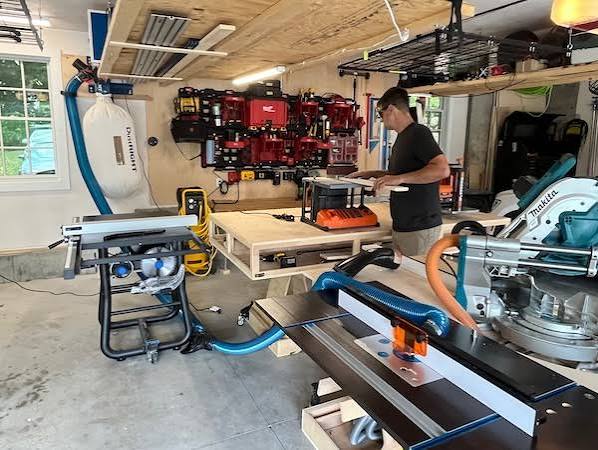
You do not need a barn or a basement to have a workshop. Plenty of excellent projects have been built in a single-car garage, from furniture to bike repairs to electronics. The challenge is that space is tight, tools are numerous, and the garage often has to share its footprint with a car, bins of holiday decorations and a lawn mower. With clever planning, you can create a workspace that is safe, efficient and still flexible enough to park in when needed.
Start by defining what you will make
The type of work dictates the setup. Woodworking needs a sturdy bench, space for long boards and dust collection. Metalworking needs fire safety and good ventilation. Electronics need clean, well-lit surfaces. Automotive work needs floor space and drainage. Decide your main activities before you buy a single tool. Trying to do everything is a recipe for clutter.
Plan the layout on paper
Measure the room, including door openings, windows, outlets and the garage door travel. Sketch a scale drawing and mark the fixed elements. A typical single-car garage is around 12 by 20 feet, which is workable if you think vertically and keep things mobile. Locate the main bench along the longest wall, where you can use wall storage above it. Leave clear zones for walking and for swinging a sheet of plywood around.
Make everything mobile
Mobility is the secret of small workshops. Put heavy tools such as a table saw, miter saw, planer and drill press on lockable casters or mobile bases. Roll them out when working and tuck them away when you do not need them. A foldable workbench or a fold-down wall table gives you a work surface that disappears when you park. Outfeed tables that double as assembly benches save space.
Power and wiring
Many garages have limited circuits. A table saw, dust collector and lights running at once can trip the breaker. Count your tools and consider whether you need additional circuits. Power tools often draw a lot of current, and heavy machines may need dedicated 240-volt circuits. Adding or modifying circuits is not a casual DIY job. In most places, it requires a permit and inspection, and it should be done by a licensed electrician or according to local owner-builder rules. Use ground-fault circuit interrupter protection where required, and avoid long, thin extension cords, which overheat.
Lighting that makes work safer
A single bulb is not enough. Use bright, even overhead lighting, such as LED shop lights, and add task lights over the bench. Choose a color temperature around 4000 to 5000 kelvin for good visibility. Light-colored walls bounce light and help the room feel larger.
Storage that works with the walls
Walls are your best asset. Pegboards, slat walls and French cleat systems hold tools in view and in reach. Wall cabinets keep chemicals and small parts off the floor. Ceiling racks store lumber and seasonal items. Label bins and drawers so you spend time building and not searching. Keep frequently used tools between hip and shoulder height.
Dust, fumes and noise
Sawdust is more than a mess. Fine dust is a respiratory hazard and a fire risk. Use a dust collector or shop vacuum connected to tools, wear an appropriate respirator and clean regularly. Provide ventilation, since finishing products, solvents and welding produce fumes. Hearing protection is essential around loud tools. Be mindful of neighbors too, since many cities have noise ordinances limiting hours of operation.
Fire and safety
Keep a fire extinguisher rated for the kind of fire you might encounter, close to the exit. Install smoke and carbon monoxide alarms. Store flammable liquids in approved containers and cabinets, away from heaters and ignition sources. Oily rags can spontaneously combust, so dispose of them in a metal container with a lid or lay them flat to dry outdoors. Make sure you can get out quickly and that an exit path is always clear.
Temperature and moisture
Garages swing between hot and cold. Insulating the walls and door helps, as does a small heater or fan, used safely. Moisture rusts tools and warps wood, so consider a dehumidifier in humid climates and keep tools lightly oiled.
Rules, insurance and neighbors
Check zoning rules and HOA covenants if you plan to do loud or commercial work. If you sell items you make, you may need a business license and your home insurance may not cover business equipment. Talk to your insurer about coverage for tools and any risks involved. In a rental, ask the landlord before making alterations.
Grow gradually
Start with the essentials and add as projects demand. A small, well-organized workshop is more useful than a large, chaotic one.