
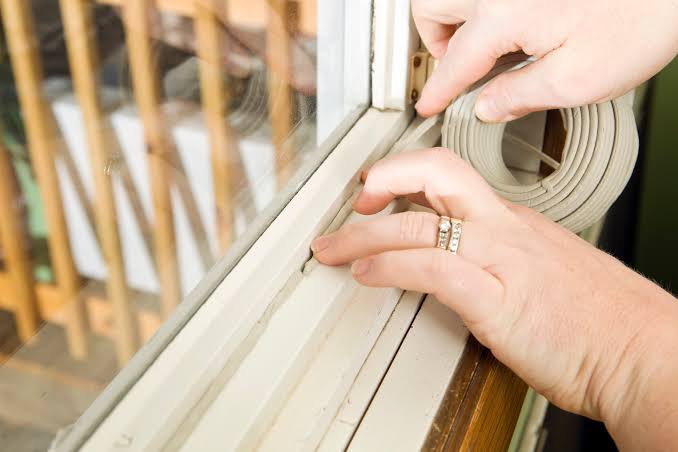
You can feel it before you can see it. A cool breeze sneaks across your ankles near the front door. The curtain moves slightly on a windless day. The heating runs constantly but the room never quite warms up. Air leaks around windows and doors waste a surprising amount of energy, and sealing them is one of the cheapest and most satisfying home improvements you can make. Most of the work needs only basic tools and an afternoon.
How drafts happen
Homes are not airtight. Gaps appear around window frames, door edges, mail slots, electrical outlets, baseboards and where different building materials meet. Warm air escapes through the upper parts of the house while cold air is drawn in below. Over time, weatherstripping dries and cracks, caulk shrinks and frames shift. Sealing these leaks makes the house more comfortable and can noticeably lower heating and cooling costs.
Find the leaks
On a windy day, close all windows and doors, and turn off fans. Move a lit stick of incense or a feather slowly around the edges of windows and doors. Watch for flickering smoke or movement. You can also hold your hand near the frame, or look for light coming through gaps when a door is closed. At night, have someone shine a flashlight from the outside while you look from the inside. Mark the problem spots with painter’s tape.
Weatherstripping for doors
Check the seal around the frame. Self-adhesive foam tape is cheap and easy but wears quickly. V-strip (tension seal) is more durable and works well for the sides and top of doors. Rubber or silicone compression strips last longer and seal tightly. Clean the surface first, measure carefully and cut to length. Press firmly for a continuous seal, and test by closing a piece of paper in the door. If you can pull it out easily, the seal needs work.
Door sweeps and thresholds
Gaps at the bottom of a door are major offenders. Install a door sweep, which attaches to the bottom of the door, or adjust the threshold if it has an adjustable seal. For a temporary or rental-friendly fix, a draft stopper, a fabric tube placed along the bottom, works surprisingly well.
Windows: caulk and weatherstrip
For stationary joints, such as where the window frame meets the wall, use caulk. Remove old, cracked caulk, clean the area and apply a fresh bead of exterior-grade or paintable caulk. For operable windows, replace worn weatherstripping around sashes. Rope caulk is a removable putty that seals gaps around window sashes temporarily, which is handy for seasonal use or rentals.
Window film and coverings
Clear shrink film kits attach to the window frame with double-sided tape and tighten with a hair dryer, creating an insulating air layer. They are inexpensive and removable. Heavy, lined curtains, cellular shades and thermal blinds add insulation. Close them at night in winter and on sunny days in summer.
Do not forget the small stuff
Outlet and switch plate gaskets on exterior walls reduce air movement. Seal gaps around pipes, vents and cables with caulk or expanding foam, using low-expansion foam made for windows and doors so it does not bow the frames. Check attic hatches, fireplace dampers and mail slots, and close dampers when not in use.
Ventilation still matters
A sealed home still needs fresh air. Do not block vents for combustion appliances, and keep exhaust fans working in kitchens and bathrooms. If you have a gas appliance, install and test carbon monoxide detectors. Tight houses can trap moisture and pollutants, so balance efficiency with ventilation.
Consider replacing, when it makes sense
If windows are rotting, broken or cannot close, replacement may be worthwhile, but it is usually a long payback. Sealing and weatherstripping come first. Check whether local utilities offer rebates or free energy audits, and whether any tax credits or incentives are available, since programs change.
Renters and landlords
Renters can use removable products such as shrink film, door sweeps that attach with adhesive and rope caulk. Ask your landlord before doing anything permanent. In many places, landlords are responsible for repairing windows and doors that do not close properly, since they affect habitability and heating. Report damaged frames, broken panes or missing seals in writing.
A simple plan
Find the leaks, seal them with the right product, add insulating coverings and check your work next winter. You will likely notice the difference in comfort right away, and in the bill soon after.