
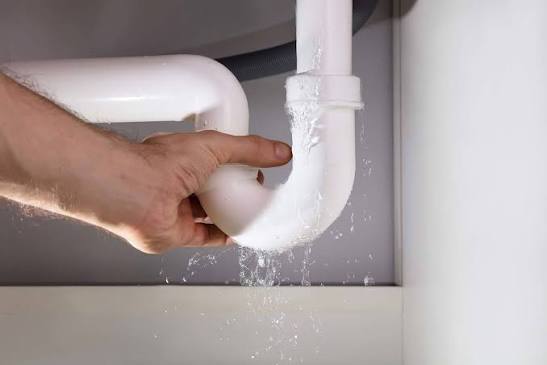
It can start with a sound: a hiss, a drip, a sudden roar behind a wall. Or it can start with a puddle you discover when you come home after a cold weekend. A burst pipe can release hundreds of gallons of water an hour, and every minute counts. What you do in the first few minutes can mean the difference between a manageable repair and a ruined floor, soaked belongings and months of cleanup. Knowing the steps in advance helps you act, instead of panicking.
Step 1: Shut off the water
Find your main water shutoff valve, ideally before you ever need it. It is commonly located where the main line enters the house, in a basement, crawl space, utility room, garage or near the water heater. Some homes have it outside, near the meter. Turn it clockwise to close. A lever handle needs a quarter turn. If you cannot find it or it will not turn, call the water utility, which can shut off water at the street. Every household member should know where the valve is.
Step 2: Protect yourself from electricity
Water and electricity are a deadly combination. If water is near outlets, appliances, wiring or the electrical panel, switch off power to the affected area at the breaker, but only if you can reach the panel without stepping through water. If the panel is wet, or you are not sure, stay out and call the electric utility or an electrician. If the water heater is affected, turn off its power or gas supply.
Step 3: Drain the system and reduce the flow
Open faucets, starting at the highest level of the home, to drain the remaining water in the pipes and relieve pressure. Flush toilets once to clear the tanks. This helps limit how much more water escapes from the break.
Step 4: Remove water and belongings
Move furniture, rugs and valuables out of the wet area. Use buckets, towels, mops and a wet-dry vacuum to remove standing water. Open windows and use fans and dehumidifiers to start drying, but be cautious with electrical devices near water. Quick drying is important because mold can start to grow within 24 to 48 hours.
Step 5: Document everything
Before you clean up too much, take photos and videos of the break, the water damage and affected belongings. Make a list of damaged items, with approximate values. Keep any damaged items until the insurance adjuster has had a chance to see them, unless they pose health risks. Save receipts for emergency repairs, hotel stays and cleaning supplies.
Step 6: Call a plumber and your insurer
A licensed plumber can repair or replace the damaged pipe and check the rest of the system. Call your insurance company promptly to report the loss, and ask what steps they require. Many policies expect you to take reasonable measures to prevent further damage, and the costs of such emergency measures are often reimbursable. Ask about water mitigation companies and whether your insurer has preferred vendors, but know that you generally have the right to choose your own contractor.
How insurance typically treats burst pipes
Standard homeowners policies commonly cover sudden and accidental water damage, such as a pipe that bursts without warning, including damage to the building and belongings. They generally do not cover damage from gradual leaks, long-term seepage, poor maintenance, flooding from outside sources such as rivers and heavy rain, or sewer backup unless you have added special coverage. They may also exclude damage if the home was left unheated and the owner did not take reasonable precautions. The pipe itself may not be covered, but the resulting damage often is. Policies have deductibles, limits and conditions, so read yours. If you are denied, ask for the reasons in writing, and consider an appeal, mediation or complaint to your state insurance regulator.
Renters and landlords
If you rent, report the burst pipe to your landlord immediately, by phone and in writing. The landlord is typically responsible for repairing the plumbing and the building. Your renter’s insurance may cover your belongings and temporary housing if the unit is unlivable. Ask the landlord about rent abatement if the unit cannot be used. Document the timeline.
Prevent the next one
Frozen pipes are a leading cause of bursts. In cold weather, keep the heat on, even if you are away, at a temperature of at least about 55 degrees Fahrenheit. Open cabinet doors under sinks on exterior walls to let warm air in. Let faucets drip during extreme cold. Insulate pipes in unheated spaces such as attics, garages and crawl spaces, and seal drafts near pipes. Disconnect garden hoses and shut off outdoor spigots. If you will be away for long, consider shutting off the water and draining the system, or installing a leak detector and automatic shutoff valve.
If a pipe freezes but has not burst
Turn off the water, open the faucet and gently warm the pipe with a hair dryer or warm towels. Never use an open flame. If you cannot find or reach the frozen section, call a plumber.