
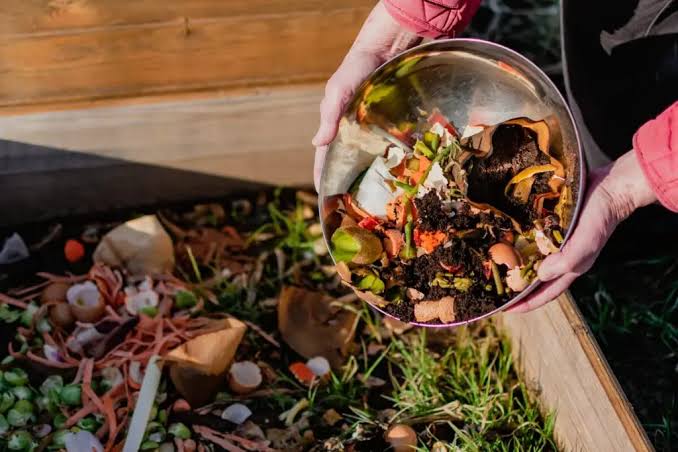
There is a quiet satisfaction in watching kitchen scraps turn into dark, crumbly soil. Composting reduces waste, enriches your garden and costs next to nothing. Yet many beginners are put off by the fear of smells, rats and complicated science. The reality is more relaxed. Composting is simply nature’s recycling system, and with a few basic guidelines, you can encourage it to happen quickly and without fuss.
What composting actually is
Compost forms when microorganisms, along with worms and insects, break down organic matter into humus, a nutrient-rich soil amendment. These helpers need four things: carbon-rich materials, nitrogen-rich materials, moisture and air. Give them the right balance and they get to work. Get it wrong and the pile becomes slimy, smelly or sits doing nothing.
Browns and greens
Gardeners talk about browns and greens. Browns are carbon-rich, dry materials such as dried leaves, shredded cardboard, paper, straw and small twigs. Greens are nitrogen-rich and moist, such as vegetable and fruit scraps, coffee grounds, tea bags and fresh grass clippings. A general guideline is about two to three parts browns to one part greens by volume. If the pile is smelly and wet, add more browns. If it is dry and slow, add greens and water.
What to put in
Safe additions include fruit and vegetable peels, coffee grounds and filters, eggshells, dry leaves, shredded paper and cardboard, grass clippings in thin layers, plant trimmings and sawdust from untreated wood. Chop or shred large items, since smaller pieces break down faster.
What to keep out
Avoid meat, fish, bones, dairy, greasy foods and cooking oil in a basic backyard bin, since they attract pests and cause odors. Do not add pet waste from dogs and cats or used cat litter, which can carry pathogens. Leave out diseased plants, weeds that have gone to seed and treated or painted wood. Do not add anything contaminated with pesticides or herbicides.
Choose a method and a bin
You can compost in a simple open pile, a purpose-built bin, a tumbler or a worm bin. An open pile is cheapest, but a closed bin tends to look neater and keeps pests out. Tumblers make turning easy. If you live in an apartment, a worm bin or a small countertop system works indoors. Choose a spot that is level, well-drained and partly shaded, close enough to the kitchen that you will actually use it.
Build it in layers
Start with a layer of coarse twigs or straw to help air flow. Add alternating layers of browns and greens, keeping the greens covered with browns to discourage flies. Moisten the pile as you go until it feels like a wrung-out sponge. Too dry and microbes slow down. Too wet and the pile loses air.
Turn it and watch it
Turning the pile every week or two with a fork adds oxygen and speeds decomposition. A healthy pile warms up inside, sometimes noticeably hot in the center. If you do not turn it, composting still happens, just more slowly. Check moisture regularly, and add water in dry weather or cover the pile in heavy rain.
Fixing common problems
- Smells like rotten eggs or ammonia: too many greens or too wet. Add dry browns and turn.
- Not heating up or breaking down: may be too dry or short of greens. Add moisture and nitrogen.
- Flies or pests: bury food scraps under browns, avoid meat and dairy, and use a closed bin.
- Ants: the pile is probably too dry. Moisten it.
When is it ready?
Finished compost is dark, crumbly and smells earthy. You should not be able to recognize the original materials, apart from a few woody bits. Depending on how you manage the pile, it can take anywhere from a couple of months to a year.
Using your compost
Mix it into garden beds, spread a thin layer around plants, use it in potting mixes in moderation or top-dress your lawn. It improves soil structure, water retention and fertility.
Rules to check
Some municipalities regulate backyard composting, including bin placement, size, and measures to prevent rodents. HOAs may have their own restrictions on visible compost piles. Renters should ask the landlord before building a bin. If space or rules are an issue, many cities run curbside organics collection or community compost drop-offs.
Start small
Begin with a bin and a handful of scraps. In a few weeks you will see the process at work, and you will never look at a banana peel the same way again.