
The question sounds simple, yet it is one of the most common ones gardeners ask. Water too little and your tomatoes crack, your lettuce bolts and your beans drop flowers. Water too much and roots rot, leaves yellow and fungus moves in. The right answer depends on your soil, your weather and what you are growing, but there are reliable principles that keep most vegetable gardens healthy.
The general rule
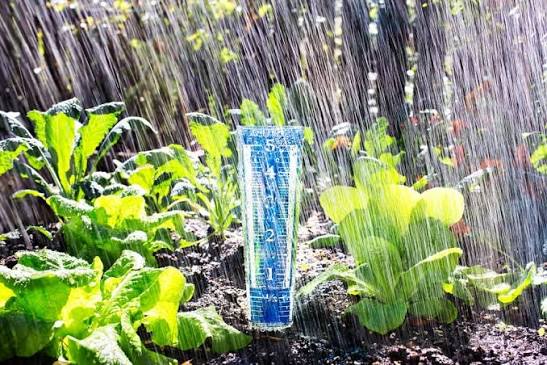
Most vegetables need about one inch of water per week, from rain and irrigation combined. In hot, dry or windy weather they may need more, perhaps an inch and a half to two inches, while cool or cloudy weather requires less. Use a rain gauge or an empty tuna can to measure how much rain or irrigation your garden actually gets.
Water deeply, not often
Shallow, frequent watering encourages shallow roots, which are vulnerable to heat and drought. Deep, less frequent watering encourages roots to grow downward, where the soil stays cooler and moister. For many gardens that means one or two thorough soakings a week rather than a light sprinkle every day. Water until the moisture penetrates six to eight inches deep.
Soil type matters
Sandy soil drains fast and dries out quickly, so it needs more frequent watering in smaller amounts. Clay soil holds water longer, and it is easy to overwater, so give it a slow soak and let it drain. Loamy soil, the ideal mix, falls somewhere between. Adding compost improves both: it helps sandy soil hold water and clay soil drain better.
The finger test
The simplest way to know when to water is to check the soil. Push your finger two inches into the ground near your plants. If it feels dry at that depth, it is time to water. If it feels damp, wait. A cheap soil moisture meter can also help, but your finger is free.
Time of day
Water in the early morning, ideally. The cooler air means less evaporation, and the foliage dries during the day, which lowers the risk of fungal disease. Evening watering is a second choice but can leave leaves damp overnight. Avoid watering in the heat of midday, since much of the water evaporates before it reaches the roots.
Water the soil, not the leaves
Wet foliage invites diseases like blight and powdery mildew. Aim water at the base of the plant. Soaker hoses and drip irrigation deliver water directly to the root zone, and they use water efficiently. A basic drip kit is inexpensive and often pays for itself in water savings and healthier plants. A timer makes it even easier.
Mulch is your friend
A two- to three-inch layer of mulch, such as straw, shredded leaves or grass clippings, keeps soil cool, reduces evaporation and suppresses weeds. Gardens with mulch often need noticeably less water. Keep mulch a little away from plant stems to avoid rot.
Different plants, different needs
Seedlings and transplants need frequent, gentle watering until they establish. Leafy greens like lettuce and spinach prefer consistently moist soil. Fruiting plants such as tomatoes, peppers and squash need steady moisture, particularly during flowering and fruiting, and irregular watering can cause problems such as blossom end rot and split fruit. Root crops like carrots need even moisture to avoid forked or cracked roots. Containers and raised beds dry out faster and may need daily checking in summer.
Signs of too much or too little
Wilting, crispy leaf edges and slow growth suggest thirst. Yellowing leaves, soft stems, mold on the soil surface and a constantly soggy bed suggest overwatering. Note that wilting can also happen in midday heat even in moist soil, so check again in the evening.
Local rules and conservation
Many regions impose watering restrictions during droughts, limiting the days or times when you can irrigate. Check with your water utility. Some also offer rebates for efficient irrigation or rain barrels. If you collect rainwater, be aware that regulations on rain barrels vary, and a few areas limit the volume you may store.
A simple weekly routine
Check the soil, water deeply when needed, mulch well and adjust for weather. Once you learn how your garden behaves, watering becomes second nature.