
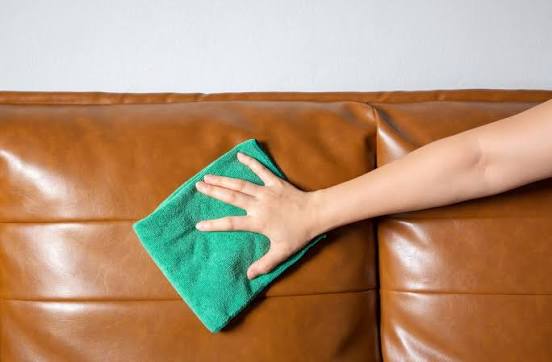
A good leather sofa is an investment, and it can last for decades if you look after it. It also has a reputation for being fussy. People worry about stains, cracks and mysterious dull patches, and they either avoid cleaning it altogether or reach for the wrong product and make things worse. The truth is that leather care is simple once you know what type you have and follow a few basic rules.
Know your leather first
Not all leather behaves the same way. Aniline leather is dyed but has no protective coating, so it feels soft and natural, but it stains easily and absorbs liquids. Semi-aniline leather has a light protective finish, giving it some resistance. Pigmented or protected leather, the most common type for family sofas, has a polymer coating and color layer that makes it more durable and easier to clean. Bonded leather is made from leather scraps held together with adhesive and often peels with age.
Check the manufacturer’s tag, usually under a cushion, or the care instructions. They may contain codes that guide cleaning. If you cannot tell, test products in a hidden spot first.
Weekly and monthly routine
Dust and grit act like sandpaper on leather. Once a week, wipe the sofa with a soft, dry microfiber cloth, or use a vacuum with a soft brush attachment to clean crevices and seams. Every month or so, wipe it with a lightly damp cloth, using distilled water if your tap water is hard. Dry it immediately with a clean towel. Do not soak the leather.
Deep cleaning
For pigmented leather, mix a few drops of mild, pH-neutral soap with warm water, or use a cleaner made for leather. Dampen a cloth, wring it well and wipe small sections gently. Follow with a cloth dampened in plain water, then dry. Avoid household cleaners, bleach, ammonia, alcohol and abrasive pads, which can strip the finish and cause cracking or discoloration. Never use baby wipes or products with strong solvents.
Dealing with spills and stains
Speed matters. Blot, do not rub, spills right away using a clean absorbent cloth. For water-based spills, blotting is usually enough. For grease marks, sprinkle a little cornstarch or baking soda on the spot, leave it for several hours to absorb the oil, then brush it off. For ink, which is notoriously tough, a leather-specific ink remover is the safest choice, and sometimes professional help is better than home experiments. Always test a small hidden area before applying anything new.
Conditioning keeps leather supple
Leather is skin, and it dries out. A good conditioner replaces oils and keeps it flexible. Apply a small amount with a soft cloth, work it in gently and wipe off excess. Do this every six to twelve months, depending on use and climate. Over-conditioning can make leather sticky or darken it, so less is more. Aniline and semi-aniline leathers benefit most, while some pigmented leathers need less. Check what the manufacturer recommends.
Protect from sun, heat and pets
Direct sunlight fades and dries leather, and heat from radiators or fireplaces can cause cracking. Keep the sofa at least a foot or two away from heat sources, and use curtains or blinds to limit sun exposure. Pet claws can scratch leather. Trim nails and consider a throw over favorite spots. Minor scratches on some leathers can be buffed out lightly with a clean finger or a bit of conditioner.
Repairing cracks and peeling
Small cracks can sometimes be softened with conditioner, and leather repair kits can fill and color-match minor damage. Peeling is a sign of bonded leather or a worn protective coating, and it is usually not repairable at home. For valuable pieces, a professional upholsterer or leather technician can restore color and fix tears.
Warranties and protection plans
Many sofas come with warranties or optional protection plans. Read what they cover and what they exclude. Using unapproved cleaning products can void coverage. Keep your receipt, and register the product if required. If damage appears soon after purchase, photograph it and contact the seller promptly.
What to avoid
Do not use furniture polish, oils from the kitchen, or hair products. Avoid sitting on the sofa with sharp objects in pockets, and keep keys and rivets from rubbing the surface. Rotate cushions to even out wear.
A simple rhythm
Dust weekly, wipe monthly, condition once or twice a year and act quickly on spills. That is all it takes to keep leather looking good for a very long time.