
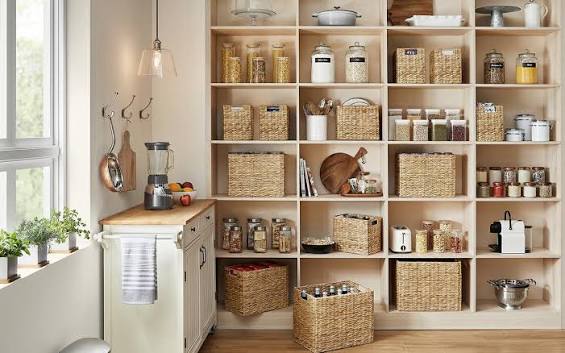
A pantry should make cooking easier. In many homes, it does the opposite. Cans hide at the back, three open bags of rice lurk on different shelves, and the spice you need is always behind the cereal. The good news is that a pantry reset takes only a few hours, and the right system makes it much easier to maintain. Here is how to build one that works for real life.
Pull everything out
Start by emptying every shelf. It sounds dramatic, but it is the only way to see what you actually own. Group items on a table or floor by type: baking supplies, grains, canned goods, snacks, breakfast items, sauces and oils, pasta, beverages. Wipe down the shelves, and vacuum crumbs from corners.
Check dates and toss
Go through each item. Look at the dates and discard anything that is expired, stale or shows signs of pests or spoilage. Understand the difference between date labels: “best by” is a quality guideline, while “use by” is more critical. When in doubt, check smell and appearance, and throw out anything suspicious. Donate unopened, in-date items you will not use to a food bank.
Create zones
Zones are the heart of an organized pantry. Assign each category a home, and keep like items together. Place everyday items such as breakfast foods, snacks and common cooking ingredients at eye level, where they are easy to reach. Store heavy items such as bottled drinks, bags of flour and large cans on lower shelves. Reserve high shelves for rarely used items, such as holiday baking supplies or extra paper goods. Keep kid-friendly snacks in a low, accessible bin if children help themselves.
Use containers wisely
Decanting dry goods into airtight containers keeps them fresh, protects against pests and makes the pantry look neat. Clear containers let you see the contents and quantities. Choose square or rectangular shapes that use space efficiently. Tape the cooking instructions and expiration dates to the container or keep a small label. Not everything needs a container. Boxes of pasta can stay upright in a bin, while canned goods are best on tiered shelves.
Maximize the space
Add shelf risers so that you can see items in the back row. Use turntables for oils, sauces and spices. Hang over-the-door racks for small items and wraps. Use baskets or bins to corral small packets, snack bars and seasoning mixes. Install pull-out shelves in deep cabinets, so you do not have to dig. Stackable bins can double the usable space, but do not stack so high that you cannot reach.
Label everything
Labels help everyone in the household put things back in the right place. Use a label maker, chalkboard labels or simple masking tape and a marker. Label the shelf edges as well as the containers, so zones are clear.
First in, first out
When you restock, move the older items to the front and place newer ones behind. This simple habit reduces waste and keeps you from discovering a three-year-old can of beans. Keep a small list of what you need on a whiteboard or notes app, so you can see at a glance what is running low.
Keep it clean and pest-free
Pantry moths and other pests are attracted to open grains, flour and cereal. Store these items in airtight containers, wipe up spills immediately and clean the shelves regularly. If you find moths, discard infested items, clean thoroughly with soap and water or vinegar, and consider pheromone traps. Keep the pantry dry and cool, avoiding storage near heat sources, which can shorten shelf life.
Food safety basics
Store opened items per label instructions, and keep raw ingredients away from ready-to-eat items. Keep cleaning supplies and chemicals out of the food pantry, especially if children are around. Do not store food in damaged cans, which can be unsafe.
Renters and small spaces
If you do not have a pantry, use a bookcase, a rolling cart or a tall cabinet with the same zone system. Use door-mounted and wall-mounted storage in rentals, with adhesive solutions where drilling is not allowed.
Maintenance routine
Do a quick tidy once a week as you plan meals, and a deeper check every few months. If something does not have a home, decide whether it belongs in the pantry at all. An organized pantry saves money, reduces food waste and makes cooking more pleasant.