
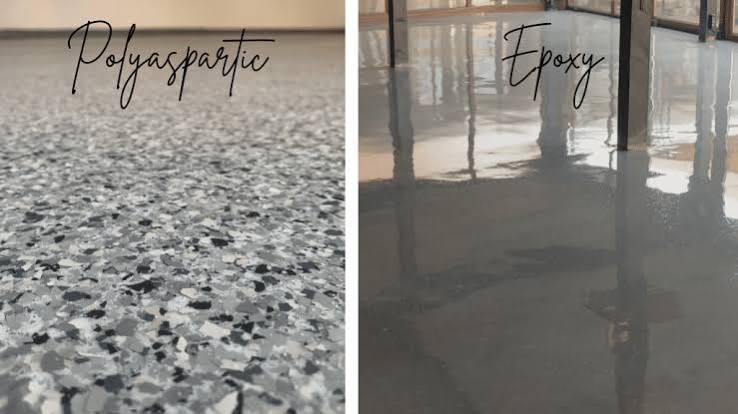
A bare concrete garage floor soaks up oil, stains easily, produces dust and looks tired within a few years. A good coating transforms it into a clean, bright surface that is easier to maintain and more pleasant to use. Two products dominate the conversation: epoxy and polyaspartic. Both can look fantastic, but they behave differently, cost differently and fail in different ways. Knowing the differences helps you decide, and ask the right questions if you hire a contractor.
What they are
Epoxy is a two-part resin system that bonds to concrete and cures into a hard, glossy layer. It has been a garage favorite for decades. Polyaspartic is a newer type of polyurea coating that cures much faster and is more flexible. It is often used as a topcoat over a base, though some systems use it throughout.
Durability and wear
Both coatings resist oil, grease and many chemicals. Polyaspartic generally has the edge in abrasion and impact resistance, and it is less prone to chipping. Epoxy forms a thick, strong layer but can become brittle, and it may peel if the concrete beneath is not properly prepared. Many professionals pair them, applying epoxy as a base and polyaspartic as a protective topcoat, to combine the strengths of each.
UV resistance and yellowing
This is a big difference. Standard epoxy can yellow or amber when exposed to sunlight, so it is a less ideal choice for garages with large windows or an open door often facing the sun. Polyaspartic is UV stable and keeps its color and clarity.
Cure time
Epoxy takes longer. A typical epoxy job may require several days before you can drive onto it, while polyaspartic can be ready for foot traffic in a few hours and vehicles in a day or two. If you cannot spare your garage for long, that matters.
Hot tire pickup
Hot tires can soften certain coatings and lift them, a problem known as hot tire pickup. This is more common with poorly installed or low-quality epoxy. Polyaspartic generally resists it better, and a well-prepared and well-applied epoxy system can also hold up. Ask installers what their experience is.
Cost
Epoxy is usually cheaper in materials and, for DIY kits, can be very affordable, though the cheapest kits are thin and may not last. Professional polyaspartic systems tend to cost more because the material is more expensive and the work must be done quickly before it cures. Prices vary widely by region, floor condition and the system used, so get written quotes that spell out the materials and steps.
Surface prep is everything
Most coating failures come from poor preparation, not from the product. The concrete should be clean, dry and mechanically prepared, usually by diamond grinding or shot blasting, not just acid etching. Cracks and pits need repair. A moisture test is important, because moisture vapor rising through the slab can cause blisters and peeling. Ask whether the contractor tests for moisture and what they will do if levels are high.
DIY or professional
DIY epoxy kits are popular, but they require care: precise mixing, enough working time and good ventilation. Polyaspartic sets so quickly that it is usually best left to professionals. If you hire, check licensing, insurance, references and examples of previous work. Ask what the warranty covers, how long it lasts, and what is excluded, such as hot tire pickup or moisture issues.
Contracts and claims
Put the scope, materials, number of coats, prep method, cure times and price in writing. Understand who is responsible if the floor fails because of moisture or poor concrete. Keep photos before, during and after the work, as well as the product data sheets. If problems occur, a prompt written complaint to the contractor is the first step, and consumer protection agencies or small claims court are options if it is not resolved.
HOA and rental notes
If you live in an HOA community, check if there are rules about garage appearance or work. Renters should obtain written permission from the landlord before coating the floor.
Which to choose
If you want fast turnaround, UV stability and toughness, polyaspartic is hard to beat, although it costs more. If you want a lower-cost, good-looking option and can wait for curing, a well-installed epoxy system works fine. In either case, the quality of the prep and the installer matter more than the label on the bucket.