
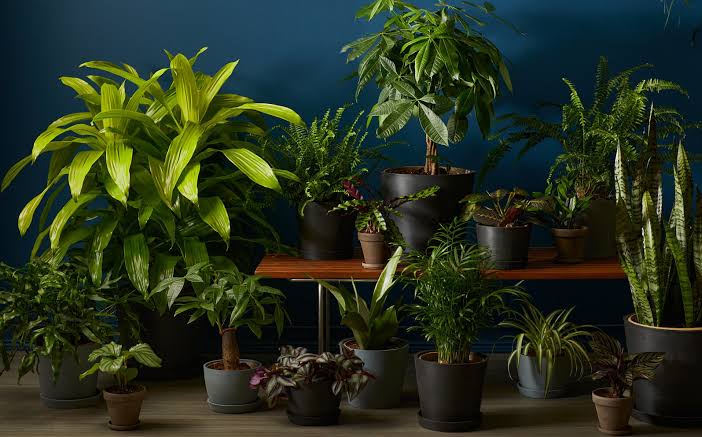
Plants make a room feel alive, but not every home comes with a sun-drenched windowsill. Many apartments face a brick wall, a narrow courtyard or a shaded side of the building, and that does not mean you must settle for bare shelves. Some plants have evolved in forest understories, where they live on dappled, filtered light. They tolerate dim conditions surprisingly well, and with a little care, they can bring a touch of green to even the gloomiest corner.
What low light really means
Low light does not mean no light. A plant in a windowless closet will not survive for long without a grow light. A realistic low-light spot is a room with a north-facing window, a space several feet away from a bright window, or a corner that receives a few hours of indirect brightness. If you can comfortably read a book there during the day without turning on a lamp, a hardy low-light plant should be able to manage.
Tough plants that tolerate dim spaces
Snake plant (Sansevieria) is almost indestructible. Its upright, sword-like leaves suit modern interiors, and it tolerates neglect and low light, though it prefers some brightness. ZZ plant has glossy, dark green leaves and stores water in its rhizomes, so it forgives missed waterings. Pothos trails beautifully from shelves and hanging pots, and it grows well in many lighting conditions. Cast iron plant (Aspidistra) earns its name by surviving harsh conditions, including deep shade. Peace lily tolerates low light and tells you when it needs water by drooping dramatically, then perking up again. Chinese evergreen (Aglaonema) offers patterned leaves in silver, green and red tones and handles dim spots well.
Pet-safe choices
If you share your home with cats or dogs, check each plant’s toxicity before you buy. Several popular low-light plants, including pothos, peace lily, snake plant and ZZ plant, are considered toxic to pets if chewed. Safer options generally include the spider plant, parlor palm, cast iron plant, bromeliads, Boston fern, and many calathea and prayer plants, though calatheas prefer bright, indirect light rather than deep shade. Check the plant database of a reputable animal welfare organization or consult your veterinarian, because lists can differ and individual animals react differently. If your pet nibbles everything, place plants out of reach or choose faux ones for risky spots.
Light tricks that make a difference
Place plants as close to the available light as possible without direct harsh sun. Clean windows and dust the leaves, since dirty leaves absorb less light. Light-colored walls reflect more illumination. Rotate the pots every week or two so all sides get exposure. In very dark rooms, a full-spectrum LED grow bulb in a regular lamp can work wonders, and many modern ones are discreet and stylish.
Watering in low light
Plants in dim rooms use water slowly, so overwatering is the number one killer. Check the soil with your finger. If the top inch or two is dry, water thoroughly, then let the excess drain. Never let pots sit in standing water. In winter, when growth slows down, water even less. Use pots with drainage holes, or keep the plant in a plastic nursery pot inside a decorative cover so you can remove it for watering.
Style them like a designer
Group plants of different heights in odd numbers for a layered look. Put a tall snake plant in a floor planter beside a sofa, trail a pothos from a high shelf and cluster a few small pots on a console table. Choose containers that tie into your decor, such as terracotta, ceramic, woven baskets or matte black. Vary leaf shapes and textures, since a mix of glossy, spiky and feathery foliage looks richer than a row of identical plants.
Do not forget the basics
Even low-light plants need occasional feeding in spring and summer, using a diluted balanced fertilizer. Repot when roots appear through the drainage holes, and prune yellowing or damaged leaves. Watch for pests such as fungus gnats, spider mites and mealybugs, and treat them early.
If you rent
Plants are easy, renter-friendly decor, but check your lease for any rules about hanging planters or placing heavy containers on certain floors. Use saucers and trays to protect floors from water damage, and avoid putting large pots on delicate surfaces. Hooks that require drilling need the landlord’s permission.
Faux or real
If you have no light at all, good-quality artificial plants can add greenery with zero upkeep. Mixing real and faux plants is perfectly acceptable.
Start with one
Pick a forgiving plant, put it in a spot you pass often and learn its rhythms. Once you see how easy it is, you will probably find yourself making room for more.