
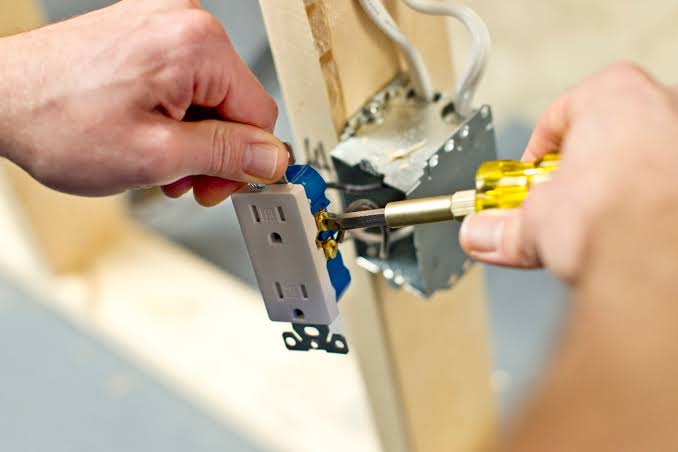
There is a good chance you have watched a video of someone swapping a light fixture or replacing an outlet and thought, “I could do that.” Often you can. Electrical work is not magic, and many simple tasks are well within reach of a careful homeowner. But electricity does not forgive mistakes. A wrong connection can cause shocks, fires or hidden hazards that surface years later. It also sits in a legal gray zone that varies from one place to another. Here is how to think about it.
Why electrical work is regulated
Electrical codes exist because faulty wiring is a leading cause of house fires and electrocution. Most jurisdictions adopt a version of a national electrical code and add local amendments. They require permits and inspections for many types of work, and often limit who can perform it. The goal is not bureaucracy for its own sake. It is to ensure that someone with training, either the licensed professional or an inspector, verifies that the work is safe.
What homeowners are often allowed to do
Rules differ, but many places allow homeowners to perform some electrical work on their own primary residence, particularly if they pull a permit and pass an inspection. Tasks that are commonly considered within reach for competent DIYers include:
- Replacing a light switch or standard outlet with the same type
- Replacing a light fixture or ceiling fan in an existing location
- Replacing a damaged cord or plug on a lamp or appliance
- Installing a plug-in surge protector or a smart plug
- Replacing a standard outlet with a GFCI outlet, where wiring is straightforward
Even for these jobs, some jurisdictions require a permit or at least a licensed professional, so check your local rules.
Jobs that usually need a permit or a licensed electrician
- Adding new circuits or outlets that extend wiring
- Installing or replacing a service panel or breaker box
- Work on the service entrance, meter or main disconnect
- Wiring for hot tubs, EV chargers, generators or subpanels
- Rewiring or major renovations
- Any work in commercial or rental properties you do not live in
Many places also prohibit homeowners from doing work for others or on homes they intend to sell without a license.
The owner-builder permit
Some areas allow an owner-builder permit, in which the homeowner takes responsibility for the work and an inspector checks it. This can be a cost-effective option, but it comes with obligations. You must follow the code, schedule inspections and keep the work accessible until it is approved. Ask your local building department about the process, and whether you need to pass a basic exam or sign an affidavit.
Safety steps for permitted DIY
Always turn off the power at the breaker, and verify with a non-contact voltage tester or a multimeter that the circuit is dead. Label the breaker so no one turns it on. Use properly rated devices, wire sizes and connectors. Do not mix aluminum and copper without approved connectors. Use GFCI protection in kitchens, bathrooms, garages and outdoors, and AFCI protection where required. If you open a box and find unfamiliar wiring, scorch marks or signs of past problems, stop and call a professional.
Insurance and resale risks
Unpermitted or faulty work can cause problems. If a fire is traced to unlicensed or uninspected electrical work, an insurer may deny the claim. When you sell, buyers’ inspectors may flag questionable work, and you may have to disclose it, repair it or lower your price. Keep permits, inspection reports and receipts.
Renters and landlords
Tenants should not alter wiring. Report problems such as flickering lights, warm outlets, buzzing or tripping breakers to the landlord in writing. Landlords are generally responsible for maintaining safe electrical systems under habitability laws. Landlords doing work on rental properties are usually required to use licensed professionals or obtain permits.
Warning signs that need an electrician now
Burning smells, scorched outlets, frequent breaker trips, sparking, buzzing or a tingling sensation from appliances should be addressed immediately. If you smell something burning or see smoke, shut off the power at the main and call emergency services if there is a fire.
The practical rule
If you are replacing like for like, and you understand what you are doing, small jobs may be fine. If you are adding, changing or relocating wiring, call a licensed electrician and get a permit. The extra cost is small compared with the risk.