
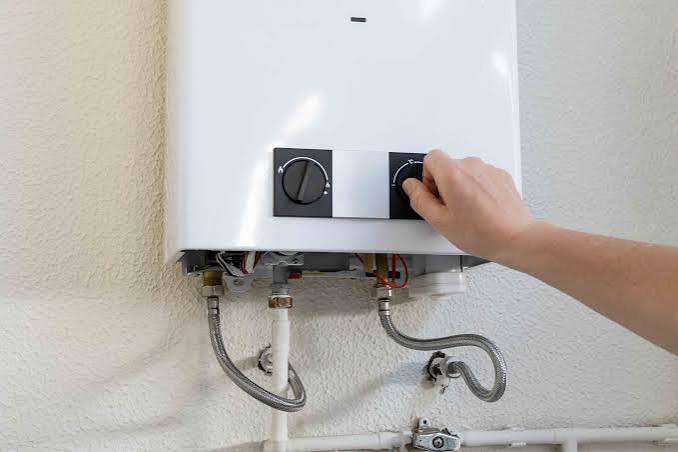
There are few household problems that feel as urgent as a cold shower on a winter morning. When the hot water disappears, panic sets in, and so does the fear of an expensive repair. In many cases, though, the fix is simple, and you can find out in a few minutes whether you have a minor issue or a job for a professional. Here is a safe, step-by-step way to troubleshoot, along with the safety rules you should never skip.
Safety first
Water heaters combine electricity or gas with hot water and pressure. If you smell gas, do not light anything, avoid using switches or phones inside, leave the building and call your gas utility or emergency number from outside. If you see water pooling around the tank, shut off the power or gas and the water supply, and call a professional. Never tamper with the temperature and pressure relief valve, which is a critical safety device.
Identify what kind you have
Look for a label on the tank. Gas models have a burner at the bottom and a flue vent at the top. Electric models have wiring and access panels on the side. Tankless models heat water on demand and have different troubleshooting steps, though some basics apply. Knowing the type tells you where to look.
For gas water heaters
Check the pilot light. Many gas heaters have a small pilot flame that can go out. Look through the viewing window near the bottom. If it is out, follow the instructions on the tank to relight it, which usually involves turning the gas control to “pilot,” holding down a button while igniting, and waiting before turning to “on.” If the pilot will not stay lit, the thermocouple may be faulty, which calls for replacement. Newer models have electronic ignition and may display error codes.
Check the gas supply and the thermostat. Make sure the gas valve is open and the temperature dial is set properly. A thermostat set too low may not produce enough heat.
For electric water heaters
Check the breaker. Water heaters are on a dedicated circuit. A tripped breaker is a very common cause. Switch it fully off, then on again.
Press the reset button. Many electric models have a red reset button on the upper thermostat, behind an access panel. If the water got too hot, a high-limit switch may have tripped. Turn the power off at the breaker before opening any panel, and press the button. If it trips repeatedly, there is an underlying fault such as a failing element or thermostat.
Heating elements and thermostats. If you have hot water for a very short time, or only lukewarm water, an element may have burned out. Testing and replacing elements requires working with electrical components, so unless you are experienced, hire a professional.
Other common causes
- Sediment buildup. Minerals settle at the bottom of tanks, reducing efficiency and causing popping or rumbling noises. Flushing the tank annually helps.
- Undersized tank or heavy demand. If the household has grown or you run multiple appliances at once, the tank may simply run out.
- Crossed connections or faulty mixing valves. These can cause odd temperature problems.
- Age. Tank water heaters typically last around eight to twelve years. Rust-colored water, leaks or frequent repairs signal the end is near.
Temperature settings
Many households set water heaters to around 120 degrees Fahrenheit to reduce the risk of scalding and save energy. Higher settings can burn skin quickly, particularly for children and older adults. Some health guidance addresses bacteria such as Legionella in warm water systems, so ask a qualified plumber about the right balance for your situation, especially in homes with vulnerable occupants.
When to call a professional
Call a plumber or technician if you smell gas, see leaks, hear loud banging or hissing, find rust or scorching, or if simple resets do not work. Replacement may also require permits in many places, and gas and electrical connections should be made to code by qualified people.
Renters: hot water is a basic service
In most jurisdictions, hot water is considered an essential service in rental housing, and landlords must provide and maintain it unless the lease puts utilities in the tenant’s hands under specific conditions. If your hot water fails, notify your landlord in writing right away, with the date and details. Keep copies. If the landlord does not act within a reasonable time, you may have remedies, such as repair-and-deduct, rent reduction, withholding rent or contacting housing authorities, but these depend on local law and must be done correctly. Check with a tenant organization before taking action.
Keep it healthy
Flush the tank once a year, inspect the anode rod every few years and check for leaks and corrosion. Consider insulating older tanks and pipes to save energy.